
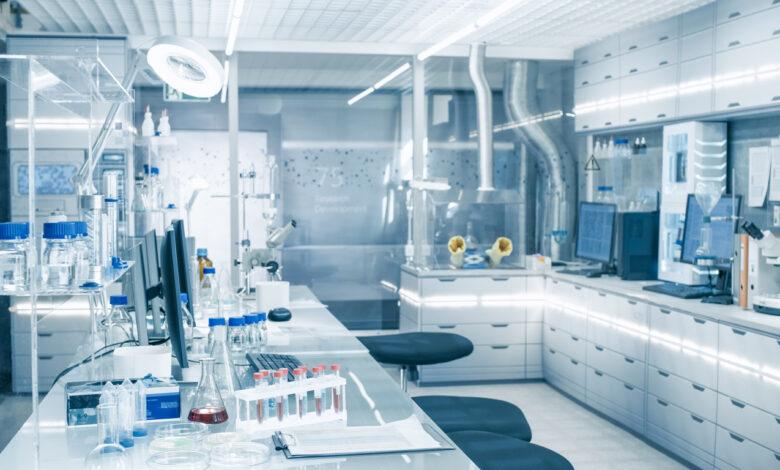
Laboratory equipment is the backbone of scientific research. Every piece of equipment plays a crucial role in experiments, from pipettes to beakers. However, glassware is one of the most fundamental pieces of equipment in any lab. Glassware is essential for measuring, mixing, and storing liquids and gases. This blog post will discuss the different types of glassware commonly used in laboratories.
Glassware is fragile and can break easily. It is essential to handle it with care, especially when heating or cooling. Gradual temperature changes are recommended to prevent cracking. Also, it is necessary to check glassware for chips or cracks before use to avoid accidents in the lab.

Thank you for your feedback. Please provide more context or information on what you want me to revise or add. This will help me better understand how to assist you.
Types of Glassware
Beakers
Beakers are one of the most common types of glassware used in laboratories. They are cylindrical with a flat bottom and a spout for easy pouring. Cups come in different sizes and are usually marked with volume measurements. They are used for mixing and heating liquids.
Test Tubes
Test tubes are a common type of glassware used in laboratory equipment. They are cylindrical and come in a variety of sizes. Test tubes mix and heat small quantities of liquids or gases. They are ideal for experiments that require observation or the addition of reagents.
Petri Dishes
Petri dishes are shallow, circular glass or plastic dishes used to culture microorganisms or small plants. They are often used in microbiology and cell culture experiments. Petri dishes are also used to observe the growth and characteristics of colonies.
Pipettes
Pipettes are used to measure and transfer small volumes of liquids. They come in different sizes and designs, including volumetric pipettes and micropipettes. Pipettes are commonly used in experiments that require precise measurements.
Burettes
Burettes are long, narrow glass tubes used for titration experiments. They are marked with volume measurements and have a stopcock for precise liquid flow control. Burettes are commonly used in analytical chemistry experiments.
Erlenmeyer Flasks
Erlenmeyer flasks are conical in shape, with a narrow neck and a flat bottom. They are used for mixing, heating, and storing liquids. Erlenmeyer flasks are ideal for reactions that require stirring or swirling.
Graduated Cylinders
Graduated cylinders are tall, narrow glass tubes used to measure the volume of liquids. They are marked with volume measurements and come in different sizes. Graduated cylinders are used for precise measurements and are commonly used in titrations.
Volumetric Flasks
Volumetric flasks are used to prepare solutions with a precise volume. They are designed to hold a specific volume of liquid at a particular temperature. Volumetric flasks have a narrow neck and a flat bottom and are marked with a single graduation line. They are commonly used in analytical chemistry experiments.
Watch Glass
Watch glasses are shallow, circular dishes that cover beakers or evaporate small amounts of liquid. They can also be used as a surface for weighing small objects. Watch glasses are made of glass or plastic and come in different sizes.
Crucibles
Crucibles are small ceramic or metal containers that heat substances to high temperatures. They are used in experiments that require high-temperature reactions or the melting of substances. Crucibles are designed to withstand high temperatures and are often used in metallurgy and materials science experiments.
Safety Glasses
Safety glasses are an essential piece of equipment in any laboratory. They are designed to protect the eyes from chemical splashes, flying debris, and other hazards. Safety glasses come in different styles and designs, including goggles and glasses with side shields.
Glassware Maintenance
Proper maintenance of glassware is crucial for its longevity and accuracy. The following tips can help you maintain your glassware:
- Clean glassware immediately after use to prevent residues from hardening.
- Use mild detergent and warm water to clean glassware.
- Rinse glassware thoroughly with deionized water to avoid contamination.
- Dry glassware with a lint-free cloth or air-dry it.
- Store glassware in a clean, dry place.
Conclusion
Glassware is an essential part of any laboratory. Beakers, Erlenmeyer flasks, and graduated cylinders are just a few of the many types of glassware used in scientific experiments. Proper maintenance of glassware is crucial for its longevity and accuracy. Following the tips outlined in this blog post, you can help ensure that your glassware remains in good condition for years.
Exclusive For You!
🚀 Ready to take your business to the next level? Look no further than Walltronix! We're your go-to experts for all things digital, dedicated to helping businesses of all sizes thrive. 🌟 Imagine a future where innovation and creativity reign supreme. That's what we're all about. 🎨 From jaw-dropping design and development to turbocharged SEO services, we've got your digital needs covered. 💻✨ Join us on this exciting journey to digital success! 🌐💼
Walltronix core services encompass:
- Digital & Social Media Marketing
- Website Design & Development
- E-commerce Development
- Native Mobile Applications
- Web & SaaS Applications
- SEO & Backlink Generation
- Content Management
- Blog creation & monetization
Unlocking Your Potential with Walltronix:
Discover a range of Free invaluable tools, thoughtfully crafted to enhance your digital journey:
- Bolt: Website audit & SEO report generator Tool
- The SMS City: Premium WhatsApp & SMS messaging Platform
- Sizzly: Advanced URL shortner, Custom CTA, Bio Pages & much More
- Optimus: Track live website visitors & traffic
- Mosh: Ultimate website widgets & conversion generator
Elevate your digital presence and engage your audience effectively with Walltronix. Join hands with us, and let's shape your digital future together.
Visit Website
Mail Us
WhatsApp Us
Our Portfolios


